12 Plants That Bloom Through Oregon Winters
Think your Oregon garden has to be dull and dormant from November through March? Think again. As Oregon State University Extension horticulturist Neil Bell puts it, one of the best things about gardening in the Pacific Northwest is the winter garden. Oregon’s mild maritime climate—particularly west of the Cascades, where most days stay above freezing even in midwinter—makes it possible to grow a stunning variety of plants that bloom from late fall through early spring.
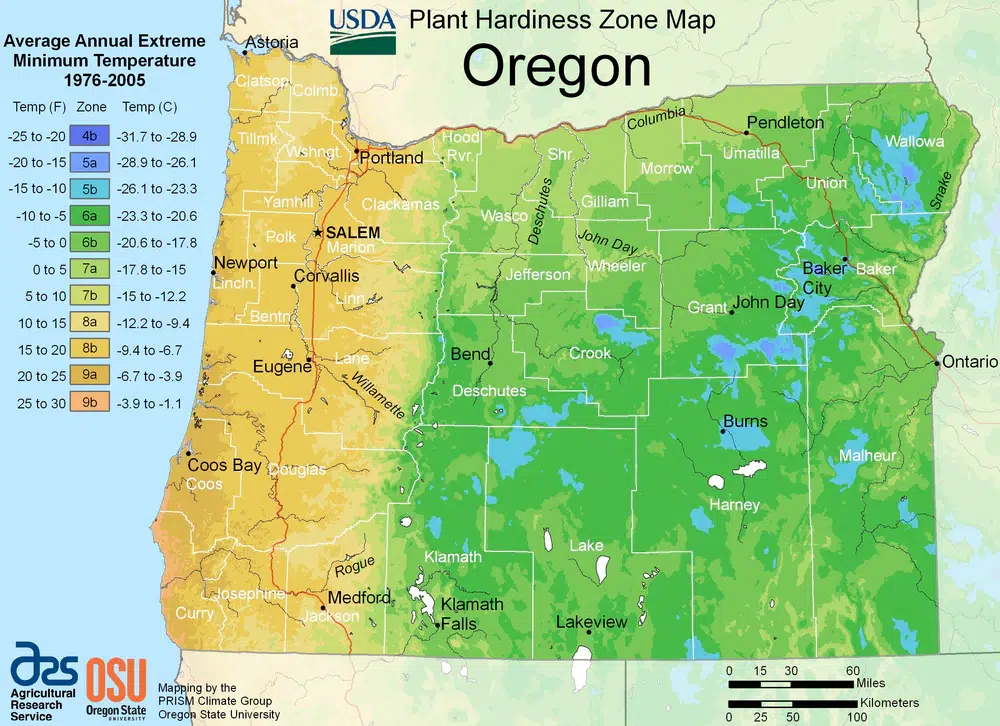
Whether you live in the Willamette Valley (USDA Hardiness Zones 8a–8b), along the coast (Zone 9), or in the milder pockets of southern Oregon, winter-blooming plants can transform your landscape with vibrant color, sweet fragrance, and vital pollinator support. And the best part? Many of these plants are low-maintenance and deer-resistant.
At The Nursery Outlet in Woodburn, Oregon, we carry a wide selection of Northwest-adapted trees, shrubs, and perennials—many of which are featured in this guide. Let’s explore the best plants to keep your Oregon garden blooming all winter long.
Winter-Blooming Shrubs for Oregon Gardens
Shrubs form the backbone of a winter garden. These reliable performers offer structure, fragrance, and flowers when you need them most.
1. Mahonia ‘Charity’ (Oregon Grape Relative)
Bloom Time: November – February
Size: Up to 10 feet tall
Hardiness: Down to −5°F (Zones 7–10)
One of the showiest cold-weather shrubs in the Pacific Northwest, Mahonia ‘Charity’ produces abundant spikes of sunny yellow blooms that are a magnet for overwintering hummingbirds. Its large, tropical-looking evergreen foliage provides year-round structure, and the blue berries that follow the flowers are an added bonus. As a relative of Oregon’s native state flower, Mahonia is perfectly suited to our climate. It thrives in partial shade with well-draining soil and requires very little maintenance once established.
2. Camellia sasanqua (Winter Camellia)
Bloom Time: October – February
Size: 8–10 feet tall, 6–8 feet wide
Hardiness: Zones 7–9
If you’re only familiar with the spring-blooming Japanese camellias, the fall- and winter-flowering Camellia sasanqua will be a delightful surprise. Their sweetly scented blooms come in shades of white, pink, and red, and they stand up to Oregon’s winter rain far better than their spring-blooming cousins. The cultivar ‘Yuletide’ is especially popular for its bright red flowers adorned with cheerful yellow stamens—a festive sight around the holidays. Plant in partial shade for best results.
3. Winter Daphne (Daphne odora)
Bloom Time: January – March
Size: 3–4 feet tall and wide
Hardiness: Zones 7–9
Few plants can rival the intoxicating fragrance of winter daphne. The clusters of pale pink and white flowers emerge in late winter, filling your garden with perfume on even the grayest days. It’s an excellent foundation plant that looks good in all four seasons. Plant it near entryways or walkways where you can enjoy the scent up close. Winter daphne prefers partial sun and well-draining soil—avoid overwatering, as it does not tolerate soggy roots.
4. Witch Hazel (Hamamelis)
Bloom Time: January – March
Size: Up to 12 feet tall and wide
Hardiness: Zones 5–8
Witch hazel’s spidery, ribbon-like flowers in shades of yellow, orange, and copper unfurl on bare branches in the dead of winter, creating a striking silhouette against gray skies. The cultivar ‘Pallida’ is especially prized for its abundant yellow blooms and pleasant fragrance. Witch hazel also offers excellent fall foliage color, making it a multi-season performer. Best flowering occurs in full sun, and the plant adapts well to Oregon’s clay soils with moderate drainage.
5. Grevillea victoriae
Bloom Time: September – April
Size: 6–8 feet tall and wide
Hardiness: Zones 7–9
This Australian native has become a Pacific Northwest favorite for its extraordinarily long bloom season. Unusual red-orange, starburst-shaped flowers emerge from rust-colored buds over many months, providing color when almost nothing else is blooming. The silvery evergreen foliage gives the shrub a distinctive, almost exotic appearance. Grevillea victoriae is a hummingbird and pollinator magnet, offering critical nectar during the lean winter months. It prefers full sun and excellent drainage.
6. Sweetbox (Sarcococca confusa)
Bloom Time: December – February
Size: 3–5 feet tall
Hardiness: Zones 6–9
Don’t let the tiny white flowers fool you—sweetbox delivers one of the most powerful and delightful fragrances of any winter-blooming plant. The vanilla-like scent can carry across your entire garden on a still winter day. With glossy, dark-green evergreen foliage similar to boxwood, sweetbox works beautifully as a hedge, border, or backdrop. It thrives in dry shade—one of the toughest spots in any Oregon garden—making it an exceptionally versatile choice.
Winter-Blooming Perennials
7. Hellebores (Christmas Rose & Lenten Rose)
Bloom Time: December – April (varies by species)
Size: 12–18 inches tall
Hardiness: Zones 4–9
Hellebores are the undisputed stars of the winter perennial garden. These shade-loving evergreen plants produce elegant, nodding blooms in an incredible range of colors—from pristine white and soft apricot to deep plum, speckled pink, and even near-black. The Christmas rose (H. niger) often blooms before the holidays, while Lenten roses (H. x hybridus) carry the show into spring. Plant at least three together for maximum visual impact. Hellebores are drought-tolerant once established, deer-resistant, and essentially indestructible in Oregon’s climate.
8. Hardy Cyclamen (Cyclamen coum)
Bloom Time: January – March
Size: 3–6 inches tall
Hardiness: Zones 5–9
These charming miniature perennials are garden gems that naturalize beautifully under deciduous trees. Their delicate pink, magenta, or white flowers appear in late winter and early spring, accompanied by decorative heart-shaped foliage often marked with silver. They thrive in the same conditions as hellebores—dappled shade and well-drained soil—and they’ll form expanding colonies over the years, creating a living carpet of winter color with zero effort.
9. Snowdrops (Galanthus nivalis)
Bloom Time: January – March
Size: 4–6 inches tall
Hardiness: Zones 3–8
Among the earliest bulbs to bloom, snowdrops push through cold soil and even light snow to deliver their dainty, nodding white bells. They’re a true harbinger of spring. Plant them in drifts beneath shrubs or along pathways for a naturalized woodland look. Snowdrops prefer moist, humus-rich soil in partial shade. Once established, they spread readily and return more prolifically each year.
Winter-Interest Plants for Structure and Color
10. Edgeworthia chrysantha (Paperbush)
Bloom Time: January – March
Size: 4–6 feet tall
Hardiness: Zones 7–9
Paperbush is one of the most striking and underused winter-blooming plants in Oregon gardens. Silvery, globe-shaped buds develop at the branch tips in fall, then open in late winter to reveal clusters of soft, buttery-yellow, intensely fragrant blossoms. The bare, architectural branching pattern is beautiful even before the blooms appear. This is a true conversation starter for the winter garden. Plant in a sheltered spot with partial shade and consistent moisture.
11. Chaparral Currant (Ribes malvaceum)
Bloom Time: December – March
Size: 5–10 feet tall
Hardiness: Zones 7–10
A close relative of our beloved native flowering currant (Ribes sanguineum), the chaparral currant blooms a full two months earlier, producing dangling clusters of bright pink flowers from December through March. It’s a critical nectar source for overwintering Anna’s hummingbirds and early-season bees. The aromatic foliage is typically unappealing to deer, making this an excellent low-maintenance choice for wildlife-friendly gardens. Prefers partial shade with room to spread.
12. Silk Tassel (Garrya elliptica)
Bloom Time: January – March
Size: Up to 12 feet tall and wide
Hardiness: Zones 7–9
This stunning Oregon native produces long, elegant, silvery-green catkins that drape from glossy evergreen branches throughout winter. Male plants bear the most dramatic catkins, which can reach over a foot long. Silk tassel is drought-tolerant, deer-resistant, and perfectly adapted to our climate. It works beautifully as a large specimen shrub or screen, and the cascading catkins look absolutely magical when backlit by low winter sunlight.
Quick-Reference Planting Guide
Use this handy chart to plan your winter garden. All plants listed are well-suited to Oregon’s Willamette Valley (Zones 8a–8b) and many perform across the state.
| Plant | Bloom Time | Sun | Height | Best For |
|---|---|---|---|---|
| Mahonia ‘Charity’ | Nov–Feb | Part Shade | 10 ft | Hummingbirds |
| Camellia sasanqua | Oct–Feb | Part Shade | 8–10 ft | Color & Scent |
| Winter Daphne | Jan–Mar | Part Sun | 3–4 ft | Fragrance |
| Witch Hazel | Jan–Mar | Full Sun | 12 ft | Multi-Season |
| Grevillea victoriae | Sep–Apr | Full Sun | 6–8 ft | Long Bloom |
| Sweetbox | Dec–Feb | Shade | 3–5 ft | Dry Shade |
| Hellebores | Dec–Apr | Part Shade | 12–18 in | Shade Gardens |
| Hardy Cyclamen | Jan–Mar | Part Shade | 3–6 in | Naturalizing |
| Snowdrops | Jan–Mar | Part Shade | 4–6 in | Woodland |
| Paperbush | Jan–Mar | Part Shade | 4–6 ft | Focal Point |
| Chaparral Currant | Dec–Mar | Part Shade | 5–10 ft | Wildlife |
| Silk Tassel | Jan–Mar | Sun/Shade | 12 ft | Native Screens |
Winter Garden Care Tips for Oregon
Getting the most out of your winter-blooming plants is straightforward when you follow a few key principles tailored to our Pacific Northwest climate.
Plant in Fall for Winter Blooms
September through November is the ideal planting window in Oregon. The soil is still warm enough to encourage root establishment, and the winter rains provide natural irrigation. This gives your plants a full growing season to settle in before their first winter performance.
Prioritize Drainage
Most winter-blooming plants tolerate our wet winters but do not like waterlogged roots. If you have heavy clay soil—common throughout the Willamette Valley—amend planting areas with compost and consider raised beds or mounded planting. The USDA Plant Hardiness Zone Map is a helpful tool for understanding your local conditions, but remember that good drainage is often more important than temperature alone.
Support Your Pollinators
According to OSU Extension research, European honey bees are active throughout Oregon winters and visit flowering shrubs whenever temperatures rise above 55°F. Bumblebee queens and several species of native solitary mining bees also emerge as early as February. By planting a succession of winter-blooming species, you’re providing essential food sources that help sustain pollinator populations year-round.
Layer Your Plantings
Create a multi-layered winter garden by combining tall shrubs (like silk tassel or witch hazel) with mid-height plants (winter daphne, paperbush) and low groundcovers (hellebores, cyclamen, snowdrops). This layered approach mimics natural woodland ecosystems and ensures continuous visual interest at every level.
Find Your Winter-Blooming Plants at The Nursery Outlet
At The Nursery Outlet, we’re a wholesale and retail nursery open to the public right here in Woodburn, Oregon—in the heart of the Willamette Valley. We offer a huge selection of quality Northwest-adapted shrubs, trees, grasses, and ground covers at outlet prices, so you can grow more and spend less.
Our knowledgeable staff can help you choose the right winter-blooming plants for your specific garden conditions and Oregon hardiness zone. Whether you’re building a new winter garden from scratch or adding a few key plants for cold-season color, we’re here to help you every step of the way.
Visit us in Woodburn, OR or call for availability. We also offer plant delivery within 40 miles. Don’t let winter pass you by—start planting today and enjoy blooms all season long.