
Oak Trees
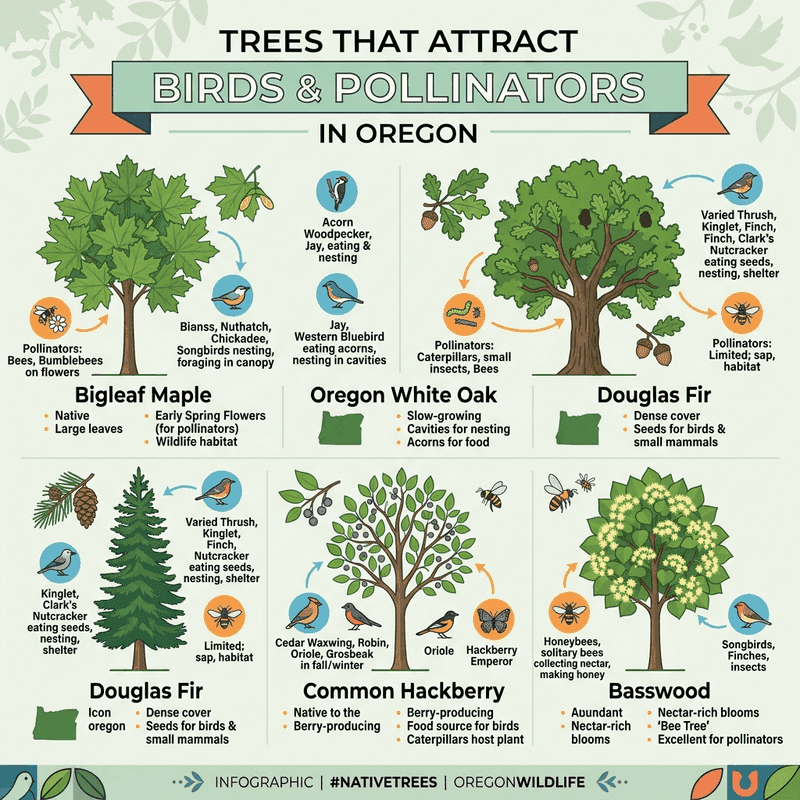
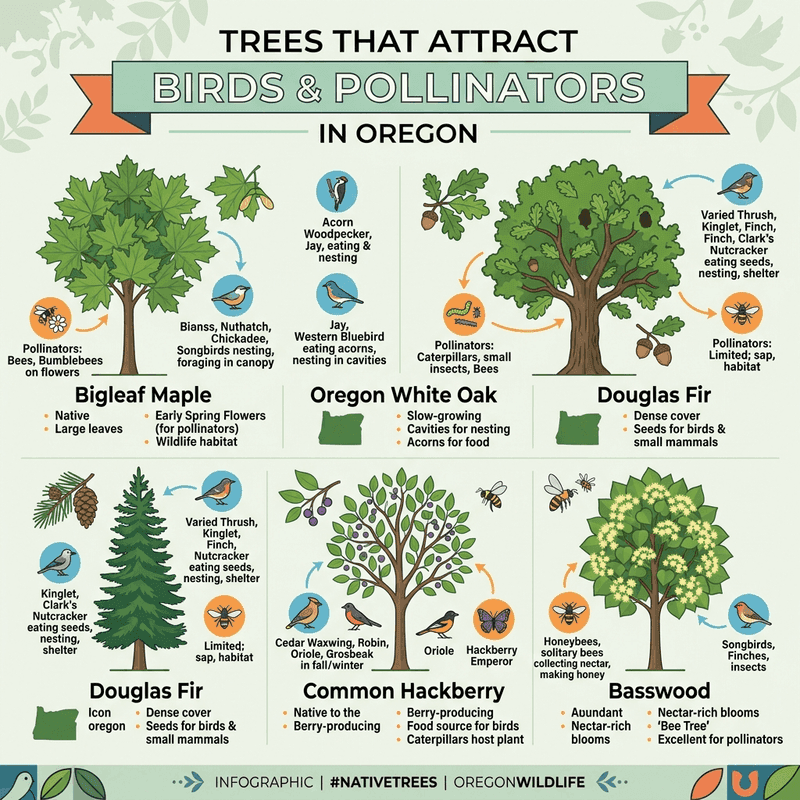
Oak trees (genus Quercus) are powerhouses of wildlife support. They grow sturdy, broad trunks and produce acorns that feed creatures like squirrels, jays, and even deer. Their leaves and branches also supply shelter for nesting birds. In addition, oak leaf litter enriches the soil with nutrients. While oaks can grow quite tall, a smaller variety may fit your space if you’re short on room. Good news—local garden centers can guide you toward regionally appropriate species.- Notable Feature: Acorns feed multiple bird and mammal species.
- Tip: Look for white oak or red oak varieties well-suited to your local climate.
Maple Trees
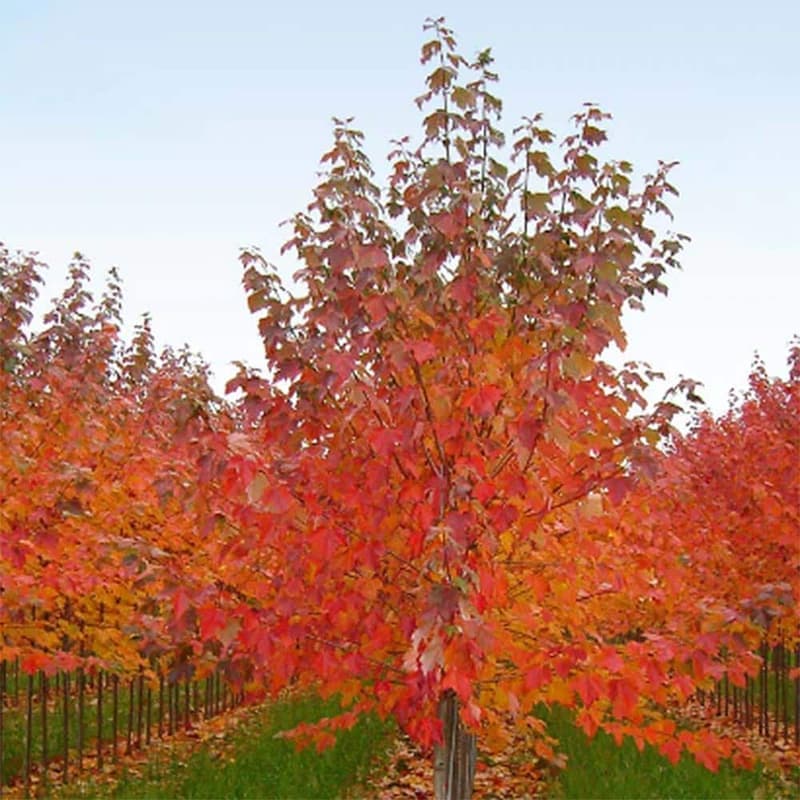
Maples (genus Acer) are famed for their brilliant fall colors, but they also provide small, nectar-rich flowers that many pollinators love. Red Maple (Acer rubrum), for instance, is known for its prolific seeding and vibrant seasonal hues (Treehugger). Maples are a strong choice if you want both beauty and wildlife value. The “helicopter” seed pods fascinate kids and can attract seed-eating birds.- Notable Feature: Bright flowers in spring support beneficial insects.
- Tip: Keep an eye on your maples’ saplings, as they reseed readily in moist soil.
Douglas Fir
If you have enough space and enjoy evergreens, Douglas Fir (Pseudotsuga menziesii) is a beloved native across the Pacific Northwest. This tall conifer yields cones that birds and small mammals will pick through for seeds, while its dense branches provide cover from predators. According to research, Douglas Firs can thrive in both moist and dry sites, making them a versatile pick (Treehugger).- Notable Feature: Cones with seeds for small birds and mammals.
- Tip: Give young trees plenty of sun and well-drained soil for steady growth.
Common Hackberry
Common Hackberry (Celtis occidentalis) might not be as showy as maples or oaks, but birds love the tasty berries it produces. The Nature Conservancy notes that hackberry leaves also feed butterfly larvae, letting you enjoy colorful winged visitors (The Nature Conservancy). Plus, this hearty species tolerates drought and urban environments, making it ideal if you need a low-maintenance option.- Notable Feature: Edible fruit that entices cardinals and woodpeckers.
- Tip: Plant hackberry in full sun for best fruit production and pollinator visits.
American Basswood
American Basswood (Tilia americana) is sometimes called the “bee tree” for good reason. Its fragrant blooms provide excellent nectar for honeybees, bumblebees, and other pollinating insects. This shade-giving deciduous tree features heart-shaped leaves and can stand 60 to 80 feet tall, so consider spacing carefully. It’s a friendly choice if you want to encourage a beehive or simply appreciate nature’s sweet hum in summer.- Notable Feature: Abundant, nectar-rich blossoms for bees.
- Tip: For more on broadleaf trees, check out deciduous tree species.
Honey Locust
Honey Locust (Gleditsia triacanthos) adapts well to urban yards, thriving in compact soils and partial shade. It offers delicate, compound leaves that allow a dappled sunlight effect, which pollinators enjoy when visiting flower beds beneath its canopy. The tree’s pods can also feed wildlife, and its open branching pattern creates a bright, airy feel.- Notable Feature: Hardy and urban-friendly with pollinator-friendly flowers.
- Tip: Prune any stray sprouts from the trunk base to maintain an attractive shape.
Quaking Aspen
Quaking Aspen (Populus tremuloides) is known for its fluttering leaves and smooth, pale bark. It grows in clusters, forming stands that act as mini wildlife corridors. This “keystone” species supports birds, small mammals, and pollinating insects that visit the catkins in spring (Treehugger). It can spread quickly via root sprouts, so be prepared to manage new shoots.- Notable Feature: Vibrant leaves creating a soothing rustle in the breeze.
- Tip: Try grouping aspens along property edges for windbreaks and privacy.