
Preparing Your Garden for Fall in Oregon: The Complete Willamette Valley Checklist
The first real rain of autumn always feels like a reset button in the Willamette Valley. Lawns green back up, the air smells like wet cedar, and the garden quietly shifts from "keep everything alive" to "get ready for winter." At The Nursery Outlet, October is when we hear two questions more than any other: "What should I be doing in the yard right now?" and "Is it too late to plant?"
The good news: fall is the most forgiving, most productive season in an Oregon garden. A few weekends of the right work now prevents soggy roots, slug explosions, moss-choked lawns, and broken limbs in January, and it sets you up for a spring garden that takes off on its own. This guide is the checklist we'd hand a friend: what to do, when to do it, and what you can safely skip.
Already planning to add trees or shrubs this season? Pair this checklist with our in-depth fall tree & shrub planting guide, which covers planting technique step by step.
Why Fall Prep Matters More in Oregon
Western Oregon winters are rarely brutally cold. Most of the valley sits in USDA zones 8a–8b. Our challenge is water, not cold. From roughly mid-October through April, the soil stays wet for months at a time. That changes what fall prep looks like here compared to the gardening advice written for Minnesota or New England:
- Drainage beats insulation. More Oregon plants die from sitting in waterlogged soil than from freezing.
- Fall is planting season, not shutdown season. Warm soil plus steady rain means roots grow all winter while tops rest.
- Slugs, moss, and fungal disease love our winters. Cleanup that removes their hiding spots pays off in spring.
- Frost arrives late. In the mid-valley, the first frost typically lands between late October and mid-November, so you have a real window to work.
The 12-Step Fall Garden Checklist
Work through these roughly in order. The first few are best done in early-to-mid October; the later steps can carry into November.
1. Clean Up Selectively (Not Everything Needs to Go)
The old "cut everything to the ground" routine isn't necessary, and it can work against you. Do remove anything diseased or pest-infested: blackspot rose leaves, mildewed foliage, blighted tomato vines, and spent annuals and vegetables. Diseased material belongs in your yard-debris bin, never in a home compost pile, where it can survive and return next year.
Do leave standing healthy perennials with sturdy stems and seed heads: coneflowers, black-eyed Susans, sedum, and especially ornamental grasses. OSU Extension recommends leaving these in place for winter habitat for beneficial insects and seed for birds, and they look striking with frost on them. Cut grasses back in late winter instead, just before new growth emerges.
2. Put Your Fallen Leaves to Work
Leaves are free fertilizer and mulch, so don't bag them for the curb. Run a mower over them to shred them, then:
- Spread a 3- to 4-inch layer over empty vegetable beds to suppress winter weeds and protect the soil from compaction under heavy rain.
- Tuck shredded leaves around shrubs and perennial beds as a winter mulch.
- Stockpile a few bags to mix with green material in spring compost.
Two cautions: rake heavy, matted leaf layers off your lawn (a thin shredded layer is fine; a wet blanket smothers grass and invites moss), and don't use leaves from trees that had scab, leaf spot, or other disease. Rake those up and send them out with yard debris.
3. Refresh Mulch Around Beds and New Plantings
A fresh layer of bark, wood chips, or compost is the single best insurance policy for winter. Apply 2 to 4 inches around shrubs, perennials, and young trees, after weeding. Prioritize roses, rhododendrons, azaleas, and berry plants, along with anything you've planted in the last year.
Keep mulch pulled back 3 inches from trunks and stems. Mulch piled against bark ("mulch volcanoes") holds moisture against the trunk and invites rot and rodents all winter.
4. Plant Trees, Shrubs, and Perennials Now
Fall is the best time of year to plant in Oregon, full stop. As OSU Extension horticulturist Brooke Edmunds puts it, "the warm soil and increasing moisture make it a great time to plant most anything." Roots keep growing through our mild, wet winter, so fall-planted trees wake up in spring already anchored and ready to grow, needing far less summer watering than spring-planted ones.
This is the season to fill the gaps you noticed this summer: a shade tree for the hot west side of the house, an evergreen screen along the fence (see our guide to fast-growing privacy trees), or a few Northwest natives for pollinators. Plant anytime from late September through November, as long as the ground isn't frozen or waterlogged. For the full technique, see the fall planting guide.
5. Plant Spring Bulbs and Garlic
October and November are prime time for tulips, daffodils, hyacinths, crocus, and alliums in western Oregon, and for planting garlic to harvest next summer. Plant bulbs two to three times as deep as the bulb is tall, pointy end up, in a spot that drains well. Bulbs sitting in soggy clay all winter will rot. Daffodils and alliums are your best bets if deer or rodents raid your garden; tulips are a favorite snack.
6. Give Your Lawn Its Fall Tune-Up
Early fall, once the rains return, is the best window of the year to repair a tired Oregon lawn:
- Aerate compacted areas with a core aerator, then rake up the plugs.
- Overseed thin and bare spots with a perennial ryegrass or fine fescue blend suited to western Oregon. Get seed down by mid-October so it can establish before cold weather.
- Fertilize. OSU's easy-to-remember schedule is four feedings a year: Memorial Day, the Fourth of July, Labor Day, and Thanksgiving. Use a lawn fertilizer high in nitrogen, low or no phosphorus, and moderate potassium. Our Oregon fertilizing calendar has the details.
- Mow high. Keep grass at 2 inches or taller and never remove more than a third of the blade at once. Taller grass roots deeper and shades out moss and weeds.
- Hand-pull fall weeds while they're small; they germinate with the first rains.
7. Test Your Soil and Add Lime if Needed
Decades of winter rain leach calcium from western Oregon soils and push them acidic, which is one reason moss thrives in valley lawns. A simple pH test (garden-center kit or lab test) tells you whether to lime. Lawns do best at pH 6.0–6.5, and OSU notes most western Oregon lawns benefit from lime every two to three years if pH drops below 6.0. For vegetable beds testing below pH 6, OSU's guideline is about 5 pounds of lime per 100 square feet. Fall application gives winter rain months to work it into the soil.
Note: rhododendrons, azaleas, blueberries, and camellias prefer acidic soil, so keep lime away from them.
8. Fix Drainage Before the Heavy Rains
Walk your yard during the first big storm of the season. Where does water pool? Where does it sheet off the patio or downspouts toward the foundation or a planting bed? Those spots are where plants will struggle and roots will rot this winter. Quick fixes now:
- Extend downspouts away from beds and foundations.
- Clear gutters once most leaves have dropped.
- Top-dress soggy beds with compost and plan to raise them or switch to wet-tolerant plants like red-twig dogwood, Western red cedar, or sedges.
- Avoid walking on or working saturated soil, which crushes its structure.
9. Hold Off on Major Pruning
It's tempting to tidy up shrubs and trees while you're out there, but fall is the wrong time for heavy pruning. Cuts made now can stimulate tender new growth right before frost, and fresh wounds sit open through the wettest months, when fungal spores are everywhere. Save structural pruning of deciduous trees and shrubs for late winter (see our winter pruning guide).
What's fine to do now: remove dead, broken, or diseased branches; cut back spent perennials you're not leaving for wildlife; and trim tall hybrid tea and floribunda roses to about 3 feet so winter winds don't rock their roots loose. Never prune spring bloomers like rhododendrons, azaleas, lilacs, and forsythia in fall, because you'll cut off next spring's flower buds.
10. Protect Tender and Potted Plants
Most landscape plants we sell are fully hardy in the valley, but a few groups need a little help:
- Containers: Roots in pots are far more exposed than roots in the ground. Group pots together against a south- or east-facing wall, raise them on pot feet so they drain, and move frost-tender pots into a garage or unheated shed when hard freezes are forecast.
- Tender perennials and bulbs: Dig and store dahlias, begonias, gladiolas, and geraniums after the first light frost blackens the foliage.
- Agaves, yuccas, and other succulents: In the valley these usually handle cold better than they handle winter wet. Make sure they're in sharp-draining soil, and consider a temporary rain cover over prized specimens during long, cold, wet stretches.
- Palms and broadleaf evergreens: Windmill palms are among the hardiest palms around, but during an arctic blast, a frost cloth wrap over the crown is cheap insurance. Water broadleaf evergreens deeply before a hard freeze; hydrated plants resist cold and drying winds better.
- Upright evergreens: Loosely tie multi-stemmed arborvitae and junipers so heavy snow or ice can't splay them open.
11. Winterize Irrigation, Hoses, and Tools
One hard freeze can crack a backflow valve or a buried line, and the repair costs far more than a sprinkler blowout. Before freezing nights arrive:
- Drain and blow out in-ground sprinkler systems, and insulate exposed valves and backflow preventers.
- Disconnect and drain hoses; install covers on outdoor spigots.
- Clean, sharpen, and oil pruners, shovels, and hoes. Rub linseed oil into wooden handles to keep them from cracking.
- Winterize the mower: run it out of fuel or add stabilizer, change the oil, and replace the spark plug and air filter so it starts on the first try in spring.
Don't forget new plantings: if we hit a dry stretch in October, keep watering anything planted in the last year until the rains are steady.
12. Get Ahead of Slugs and Moss
Slugs lay eggs in fall, so every slug you deal with in October is dozens you won't fight in April. Clean up boards, empty pots, and leaf piles near tender plants where they hide, and use traps or iron phosphate baits, which are safer around pets and wildlife, during rainy spells.
Moss in the lawn is a symptom, not the root problem. It's telling you about shade, compaction, poor drainage, or acidic soil. Aerating (Step 6), liming when a test calls for it (Step 7), and mowing high address the cause. In heavily shaded areas, consider swapping lawn for shade-loving groundcovers or native plantings instead of fighting moss every year.
Fall Garden Calendar at a Glance
Typical timing for the Willamette Valley. Adjust a week or two earlier in the foothills and later toward the coast.
| When | Priority Tasks |
|---|---|
| Late September – Early October | Aerate & overseed lawns; plant trees, shrubs & perennials; harvest the last vegetables; walk the yard during the first storm to check drainage |
| Mid – Late October | Selective cleanup; shred & spread leaves; mulch beds; plant bulbs & garlic; soil test & lime; slug patrol; keep planting |
| November | Blow out irrigation; drain hoses; lift dahlias & tender bulbs after frost; tie upright evergreens; Thanksgiving lawn feeding; last call for bulbs & transplanting |
| December – February | Protect pots & tender plants during freezes; clean & store tools; plan spring projects; late-winter pruning of deciduous trees & shrubs |
Common Fall Mistakes (and the Fix)
Mistake: Scalping the garden bare. Fix: Remove only diseased material and spent annuals; leave healthy seed heads and grasses for wildlife and winter interest.
Mistake: Fertilizing trees and shrubs heavily in late fall. Fix: A high-nitrogen boost now can push soft growth that frost damages. Feed lawns on schedule; let woody plants rest until spring.
Mistake: Hard-pruning in October. Fix: Limit fall cuts to dead and damaged wood. Save shaping for late winter.
Mistake: Assuming rain means no watering. Fix: Early fall can stay dry for weeks. Keep new plantings moist until the rains are reliable.
Mistake: Waiting until spring to plant. Fix: Plant now and let winter rain do the establishing for you.
What to Plant This Fall for Year-Round Color
If your garden goes gray and flat by November, fall is the moment to fix it. A few favorites from our Woodburn growing grounds that earn their keep in the off-season:
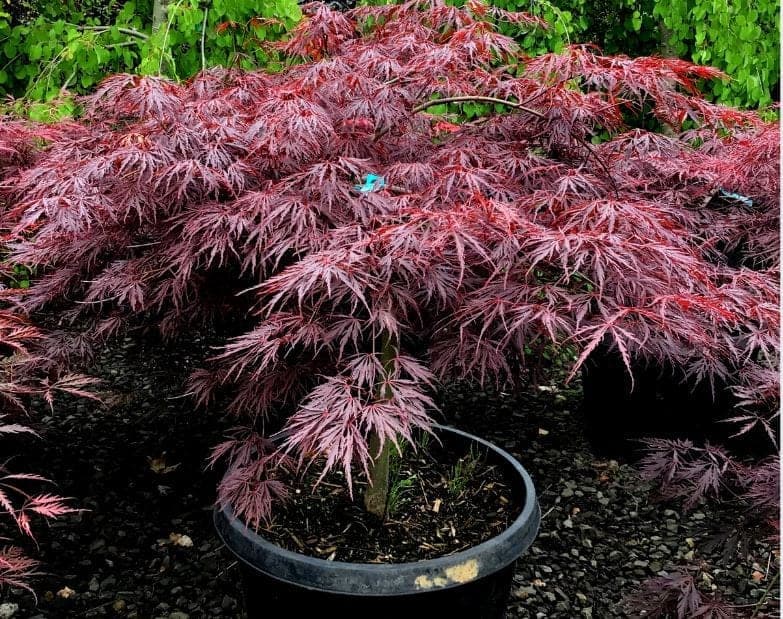
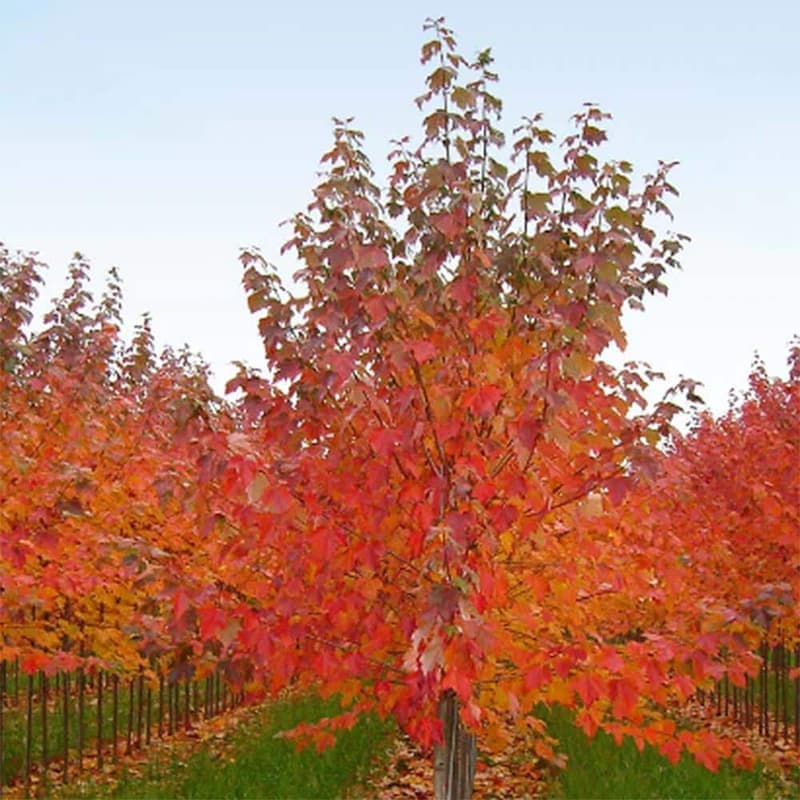
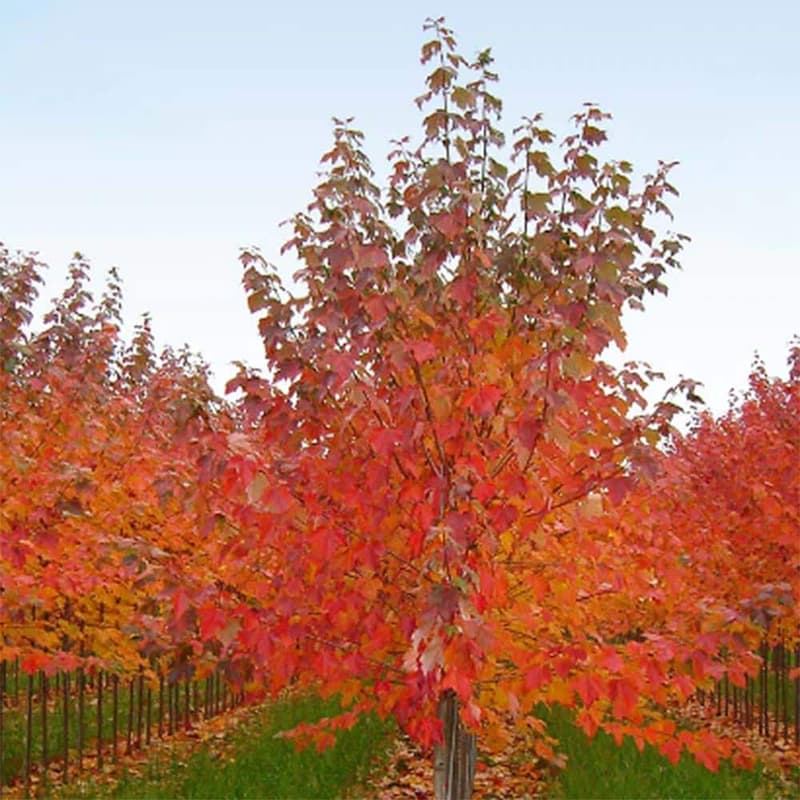
For blazing fall color: Red Sunset maple, Japanese maples, and ornamental trees like coral bark maple, whose leaves turn gold in fall before the bright coral-red stems take over all winter.
For evergreen structure: Conifers in gold, blue, and deep green give the winter garden its backbone, from narrow Italian cypress to soft blue spruce.
For low-maintenance native beauty: Oregon grape, kinnikinnick, and other Northwest natives are built for our wet winters and dry summers and feed birds and pollinators year-round.
For winter flowers: See our list of 12 Oregon winter-blooming plants; hellebores, sweet box, and witch hazel all go in the ground beautifully this time of year.
Get Your Garden Fall-Ready at The Nursery Outlet
At The Nursery Outlet, we're a wholesale and retail nursery open to the public in Woodburn, Oregon, in the heart of the Willamette Valley. Fall is our favorite season to help customers plant: the selection is still strong, the weather is easy on new plants, and winter rain does half the watering for you. Our staff can help you choose trees, shrubs, and natives that handle wet Oregon winters, and size them to your space.
Visit us in Woodburn, OR Tuesday–Saturday, check our live availability online, or call 503-782-7700. We also offer plant delivery within 40 miles and professional installation, so your fall planting can be done before the first frost.
Additional Resources
- October Garden Calendar – OSU Extension
- November Garden Calendar – OSU Extension
- End-of-Season Garden Tasks Make for a Smoother Start in Spring – OSU Extension
- Dodge the Raindrops and Finish Fall Garden Tasks – Oregon State University
- Bring Your Lawn Back to Life This Fall – OSU Extension
- Fall Tree & Shrub Planting in Oregon – The Nursery Outlet
- Oregon Lawn & Tree Fertilizing Calendar – The Nursery Outlet