
The short answer
To plant a bare root tree, plant it while it's dormant. In the Willamette Valley, that means late fall through early spring. Soak the roots in water for a few hours, then trim any broken or damaged roots. Dig a wide, shallow hole and build a cone of soil in the center. Spread the roots over the cone so the root flare sits at grade. Backfill with native soil, no amendments, and water it in well. Stake only if the tree can't stand on its own.
Bare root trees are planted a little differently than trees in pots. There's no soil around the roots, so timing and moisture matter more. The steps below cover what's different. For general planting tips, see our step-by-step guide to planting a tree.
What is a bare root tree?
A bare root tree is dug from the field while dormant, and the soil is shaken off the roots. It has no leaves, no pot and no root ball. Many deciduous trees are handled this way, including fruit trees, maples, oaks and many native trees. Bare root trees are light and easy to move. They also tend to settle in quickly, because the roots go straight into your native soil.
The tradeoff is that the roots are exposed. They can dry out in minutes on a sunny, windy day. Keep them covered and moist from the moment you get the tree until it's in the ground.
When to plant bare root trees in western Oregon
Plant bare root trees only while they're dormant. Here, that's roughly late fall through early spring, after the leaves drop and before buds break. Our mild winters let roots keep growing slowly, so a tree planted in the dormant season is ready to push leaves in spring.
- Best: Any dormant-season day when the soil is workable.
- Avoid: Frozen ground, or clay so wet it sticks to your shovel in clumps.
- Too late: Once buds swell and leaves start to open, the tree is no longer a good bare root candidate.
If the ground is frozen or soaked when your tree arrives, don't plant it yet. Heel it in instead. Dig a shallow trench in a shady spot, lay the tree at an angle, and cover the roots with moist soil or mulch. It can wait there a short while until conditions improve.
How to plant a bare root tree, step by step
- Call 811 before you dig. It's free, and it's the law in Oregon. Utility crews will mark buried gas, power and water lines. Call at least two business days ahead. Also check for overhead lines and leave room for the tree's mature size.
- Soak the roots. Set the roots in a bucket of water for 3 to 6 hours before planting. This rehydrates them after digging and shipping. Don't soak overnight or for days. Roots need air too.
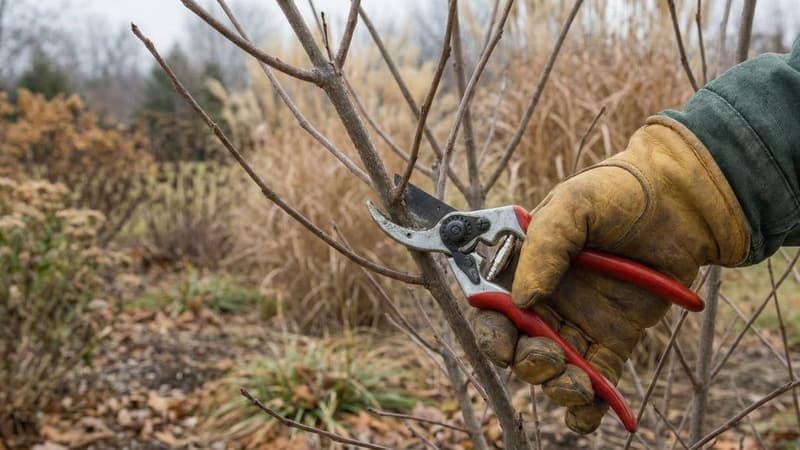
- Prune damaged roots. Look the roots over. Cut back any that are broken, torn, mushy or dried out to clean, healthy tissue. Use sharp pruners. Leave healthy roots alone, even long ones. Don't cut them short just to fit a small hole. Dig a bigger hole instead.
- Dig wide and shallow. Make the hole wide enough to spread the roots out without bending them. Dig only as deep as the roots hang below the root flare. In clay, scratch the sides of the hole with a garden fork so roots can break through.
- Build a cone of soil. Pile native soil into a firm mound in the center of the hole. The top of the cone should be high enough that the root flare sits at grade when the tree rests on it. The cone supports the tree and keeps roots spread in a natural shape.
- Spread the roots and set the depth. Set the tree on top of the cone and drape the roots down its sides. Find the root flare, where the trunk widens into the top roots. On bare root trees you can often see an old soil line on the trunk too. Lay a shovel handle across the hole. The root flare should sit at or just above it.
- Backfill with native soil. Refill the hole with the soil you dug out. Don't add compost, potting mix or fertilizer to the hole. Work soil in between the roots with your hands so there are no big gaps. Hold the trunk straight as you go.
- Water it in. Fill the hole about halfway, then water slowly to settle soil around the roots. Finish backfilling and water again. Don't stomp the soil hard. Check the depth once more, since trees can settle a little after watering.
- Mulch. Spread 2 to 4 inches of wood chip or bark mulch over the planting area. Keep it a few inches back from the trunk.
- Stake only if needed. Bare root trees have no heavy root ball to anchor them, so check whether the tree stands on its own. If it leans or the site is very windy, use two stakes outside the root zone and soft ties set low on the trunk. Allow some sway, and remove stakes after one growing season.
Skip fertilizer at planting time. Prune only broken or dead branches for now. Let the tree leaf out and settle in first.
Bare root vs. container planting: what's different
| Step | Bare root tree | Container tree |
|---|---|---|
| When to plant | Dormant season only | Most of the year |
| Before planting | Soak roots 3 to 6 hours | Water the pot well |
| Root prep | Trim broken or damaged roots | Loosen or cut circling roots |
| In the hole | Cone of soil to spread roots over | Flat, firm bottom |
| Depth | Root flare at grade | Root flare at or slightly above grade |
| Staking | Check closely, may need support | Rarely needed |
Oregon notes: clay and wet winters
Much of the Willamette Valley sits on heavy clay. Winter is also our wettest season, which is the same window bare root trees go in. That combination calls for a little care.
- Wait for workable soil. Squeeze a handful of soil. If it forms a sticky ribbon, it's too wet. Give it a few dry days.
- Check drainage. If water stands in a test hole for a day, set the root flare a couple of inches high and mound soil gently up to it.
- Pick trees that fit. For wet spots, native trees like Red Alder handle soggy ground. For drier, sunny sites, Oregon White Oak is a long-lived native choice.
After planting
Winter rain usually does the watering for you. Water only during long dry spells. Once leaves appear and rain tapers off in spring, start weekly deep soaks at the root zone. Through the first dry summer, plan on one or two deep soaks a week. Check by pushing a trowel into the soil. If it's dry 2 inches down, water.
Don't worry if a bare root tree leafs out a bit later than its neighbors. It's rebuilding roots first. Look for swelling buds and new leaves by late spring. Scratch a twig with your fingernail. Green underneath means it's alive.
Frequently asked questions
How long should I soak bare root tree roots before planting?
Soak the roots for 3 to 6 hours in plain water. Longer is not better. Roots left in water overnight or for days can be starved of air and start to rot.
Can I add compost to the hole for a bare root tree?
No. Backfill with the native soil you dug out. Rich soil in the hole keeps roots from spreading and can hold water in clay. Spread compost on top as mulch instead.
What if I can't plant my bare root tree right away?
Keep the roots moist and out of sun and wind. For a day or two, wrap them in damp burlap or mulch in a cool, shaded spot. For longer, heel the tree into a shallow trench and cover the roots with moist soil until you can plant.
Get help with your trees
The Nursery Outlet grows trees at our nursery in Woodburn and serves homeowners and landscapers across the Willamette Valley, from Salem to the Portland metro area. Browse our plant catalog to see what's in stock, or contact our team with questions. We're happy to help you choose a tree and get it planted the right way.