
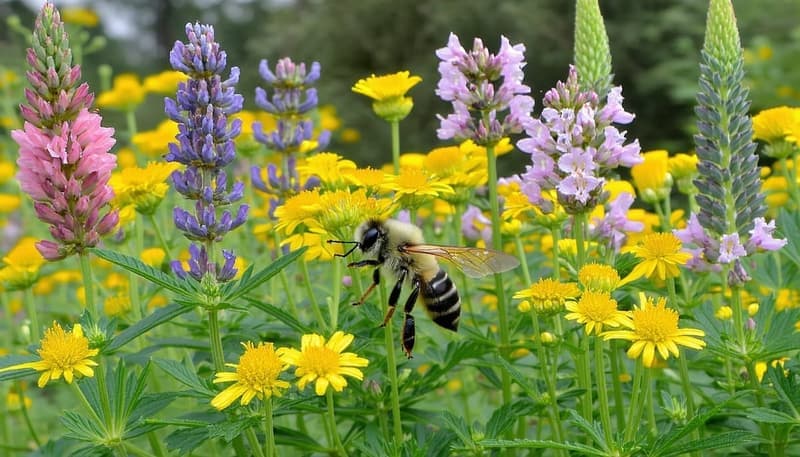
When you explore Pacific Northwest native plants for pollinators, you often find that Oregon’s distinct climate and geology offer a natural magnet for bees, butterflies, and hummingbirds. Good news—this is easier than it sounds. Adding just a few local species to your garden can help you build a thriving pollinator haven. Below, you’ll find seven top picks, each chosen for its adaptability, wildlife benefits, and low-maintenance charm.
Invite more pollinators with these top options
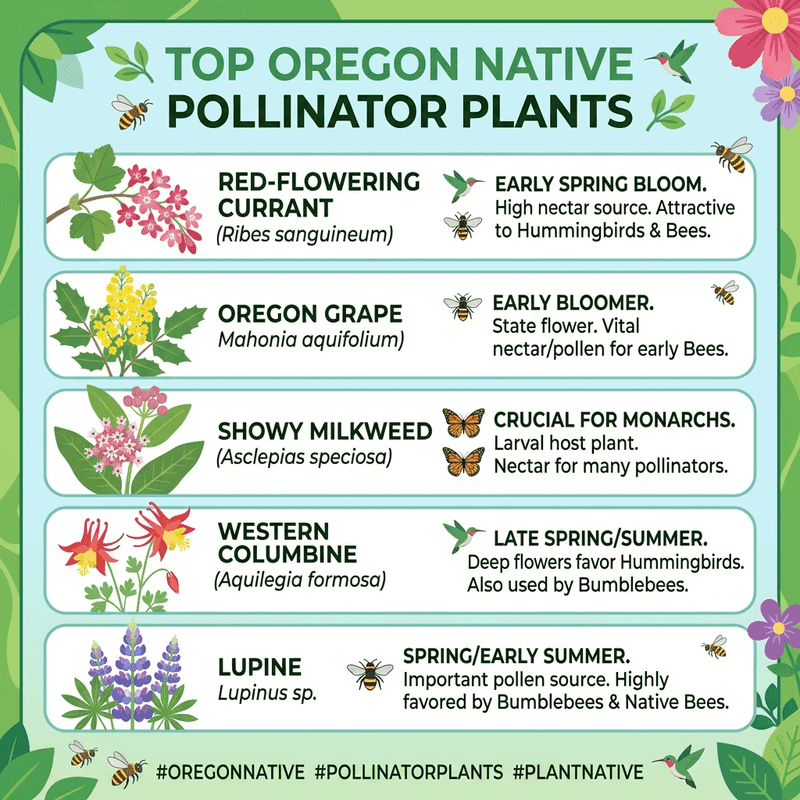
Red-flowering currant
This vibrant shrub is a beacon for hummingbirds, especially in early spring. Its rosy-pink clusters bloom right when nectar is scarce, so you’ll offer a much-needed energy boost. Red-flowering currant can handle partial shade, making it a flexible choice for smaller yards. Prune lightly after flowering, and consider planting two or three shrubs in a row for a showy effect.
Oregon grape
Beloved as Oregon’s state flower, this evergreen shrub is known for its yellow blossoms that draw in native bees. Once the flowers fade, dark blue berries appear, feeding local birds and giving your yard a pleasant, woodsy vibe. Oregon grape is drought-tolerant once established and thrives in most well-draining soils. It can look great alongside the native grasses of Oregon if you want extra texture in your landscape.
Showy milkweed
If you love butterflies, showy milkweed is a must. Monarchs rely on it for laying eggs and feeding their caterpillars. Its pink clusters also attract bumblebees and honeybees all summer long. Plant it in a sunny spot with good drainage, and it tends to self-seed gracefully if the soil conditions are favorable. Just keep in mind that milkweed can spread, so give it room to roam or use containers if space is tight.
Western columbine
Western columbine’s nodding red-and-yellow petals lure hummingbirds with sweet nectar. This plant can handle part shade and prefers well-draining soil, making it perfect for woodland gardens. If your yard sits under tall conifers, western columbine can slip into those dappled light pockets with ease. Allow its seeds to drop at the end of the season, and watch them sprout surprise blooms the following year.
Lupine
Lupines are a pollinator’s dream, offering tall spires of purple, pink, or white flowers. Native lupines in Oregon fix nitrogen in the soil, helping your entire garden stay healthier. Bumblebees and solitary bees flock to these showy blooms. For best results, place lupines in full sun with slightly acidic, well-draining soil. Pairing them with Oregon coastal native plants can make sense if you live near the coast and want a cohesive, region-specific look.
Vine maple
Like a miniature Japanese maple, vine maple delivers bright green leaves in spring and eye-catching red or yellow foliage in fall. Its spring flowers may be small, but they still invite early pollinators looking for fresh food. Plant it under taller trees or in a partially shaded area to mimic its natural woodland habitat. By fall, you’ll enjoy a colorful show that also feeds local birds with small seeds.
Douglas aster
If you want long-lasting color, Douglas aster keeps bursting with lavender-purple blooms even into late summer. Honeybees and butterflies find its nectar irresistible. Position it in a sunny site with moderate watering at first, and then let it settle into Oregon’s rainfall pattern. The slender stems can stand up to light wind or even coastal breezes. Trim back spent blooms to encourage new flowers and keep your garden tidy.
Final recap and next step
You now have seven Oregon-native options, each capable of bringing more color and pollinator activity to your yard. Start small by picking one species that best fits your light and soil conditions—perhaps red-flowering currant for shadier spots or lupine for open, sunny beds. Over time, consider mixing in a few more plus native grasses to add texture or coastal native plants if you live by the shore. The result? A balanced, welcoming garden that wildlife loves—and you will, too.