
Deer-Resistant Plants for Oregon: 30+ Trees, Shrubs & Grasses Deer Usually Leave Alone
If you garden anywhere near the edge of town in the Willamette Valley, you've probably had the experience: you plant something beautiful on Saturday, and by Monday morning it's a row of chewed-off stubs. Black-tailed deer are a fact of life across western Oregon, from rural acreage outside Woodburn and Silverton to subdivisions in Salem, Wilsonville, and the West Hills. At The Nursery Outlet, "What won't the deer eat?" is one of the questions we hear most often, all year long.
The good news is that deer are picky eaters, and there's a long list of attractive, hardworking plants they usually walk right past. This guide covers the best deer-resistant trees, shrubs, grasses, and groundcovers for Oregon, the plants deer go out of their way to find, and the simple tricks that protect new plantings while they get established.
First, the Honest Truth: "Deer-Resistant" Isn't "Deer-Proof"
As Oregon State University Extension puts it, deer-resistant does not mean deerproof. Even the plants on this list will occasionally get nibbled, and how much damage you see depends on:
- Hunger. In a dry late summer or a hard winter, when natural forage runs out, deer will sample almost anything.
- Age of the plant. Young, tender, freshly planted growth is far more tempting than mature, woody growth. Most losses happen in the first two or three years.
- Local habits. Deer herds learn. A plant ignored in one neighborhood can be a favorite a few miles away.
- Curiosity. Deer taste-test new plants, especially anything that arrives fresh from the nursery and was fertilized heavily.
The strategy that actually works: build your landscape around plants deer dislike, protect anything new for its first few seasons, and save the deer favorites for areas inside a fence or close to the house.
What Makes a Plant Deer-Resistant?
Deer browse by smell and texture first. According to Washington State University Extension's guide to deer-resistant gardening in the Pacific Northwest, deer tend to avoid plants with:
- Strong scents or aromatic oils: lavender, rosemary, Mexican orange, and most conifers.
- Thick, leathery, or waxy leaves: Oregon grape, evergreen huckleberry, boxwood, and Japanese holly.
- Spiny, prickly, or fibrous textures: yucca, agave, New Zealand flax, and ornamental grasses.
- Bitter or toxic compounds: pieris, nandina, and daffodils.
One more tip from WSU: over-fertilizing and heavy shade produce soft, lush growth that deer find more appealing. Lean, sun-grown plants hold up better.
Deer-Resistant Trees for Oregon
Mature trees are rarely in serious danger from browsing, but young trees are vulnerable to both nibbling and antler rubbing (more on that below). These are the trees deer typically leave alone:
Conifers
Most conifers' resinous, aromatic needles are a strong deterrent. WSU lists most firs, cedars, cypress, junipers, spruce, pines, and hemlocks among the plants rarely damaged by deer. Great options from our Woodburn grounds include:
- 'Green Giant' Western Red Cedar is the deer-country privacy screen we recommend most. It grows 3 to 5 feet a year and deer consistently pass it by. (See our guide to fast-growing privacy trees.)
- Incense Cedar and Deodar Cedar are aromatic, drought-tolerant, and elegant.
- Spruce: Baby Blue Colorado Spruce, whose stiff, sharp needles deer avoid.
- Pines: Austrian Black Pine, Shore Pine, Ponderosa Pine, and Dwarf Mugo Pine for smaller spaces.
- Junipers: Spartan Juniper, Skyrocket Juniper, and Wichita Blue Juniper, which make narrow, prickly, low-water screens.
- Italian Cypress and Slender Hinoki Cypress are formal, upright accents.
- Western Hemlock is a graceful native for shadier sites.
Note: Douglas fir is a notable exception. Deer browse young Douglas firs readily, so cage them until they're well above deer height.
Deciduous and Broadleaf Trees
- Maples, including Red Sunset Maple, October Glory Red Maple, Autumn Blaze Maple, and the native Big Leaf Maple. WSU rates maples as rarely damaged once established, though deer will nip low branches on young trees.
- Oaks: Oregon White Oak and Shumard Oak.
- Oregon Ash is a tough native for wet sites.
- Magnolias, including Bracken's Brown Beauty and Kay Parris Magnolia, have thick, leathery evergreen leaves deer rarely bother.
- Willows: Corkscrew Willow and Weeping Willow.
Deer-Resistant Shrubs
Shrubs are where deer do the most damage, so this is where plant choice matters most.
Evergreen Shrubs
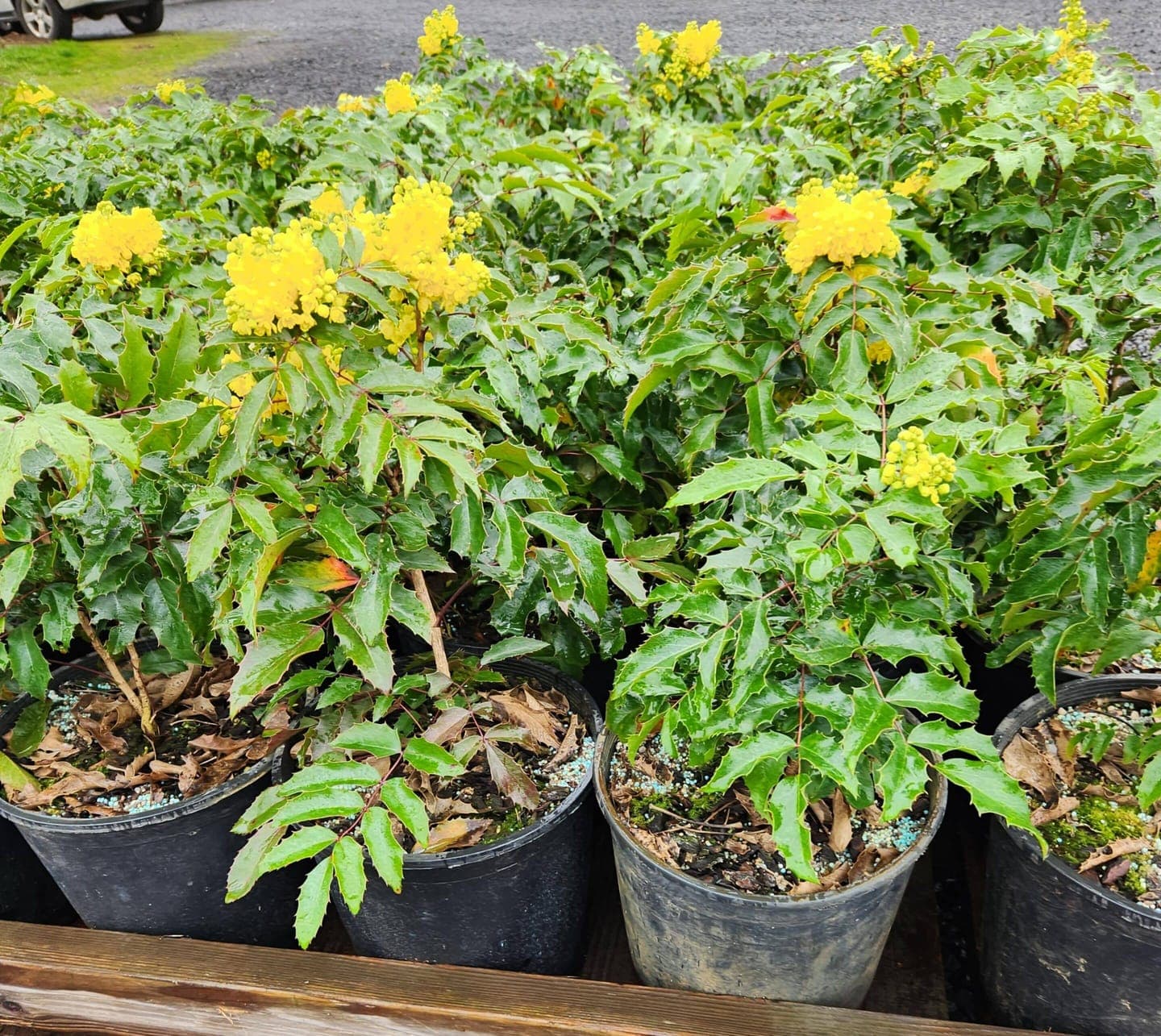
- Tall Oregon Grape, Oregon's state flower. Spiny, holly-like leaves, yellow spring blooms, and blue berries for birds. Both OSU and WSU list it as deer-resistant.
- Mexican Orange Blossom. Glossy, aromatic foliage and fragrant white spring flowers.
- Evergreen Huckleberry. A handsome native for shade or sun, with tough, leathery leaves.
- California Lilac 'Victoria'. Brilliant blue spring flowers and drought tolerance once established.
- Boxwood: Green Mountain Boxwood and Dwarf English Boxwood. Bitter foliage makes these a reliable formal hedge in deer country.
- Sky Pencil Japanese Holly. A narrow vertical accent for tight spaces.
- Pieris 'Mountain Fire'. Fiery red new growth, and toxic to deer, so they leave it alone.
- Nandina 'Gulfstream'. Heavenly bamboo with red winter color.
- Waxleaf Privet. A fast, glossy hedge that deer usually skip.
Aromatic Herbs and Mediterranean Shrubs
If it smells strong to you, it smells really strong to a deer. These are some of the most reliably ignored plants in any Oregon garden:
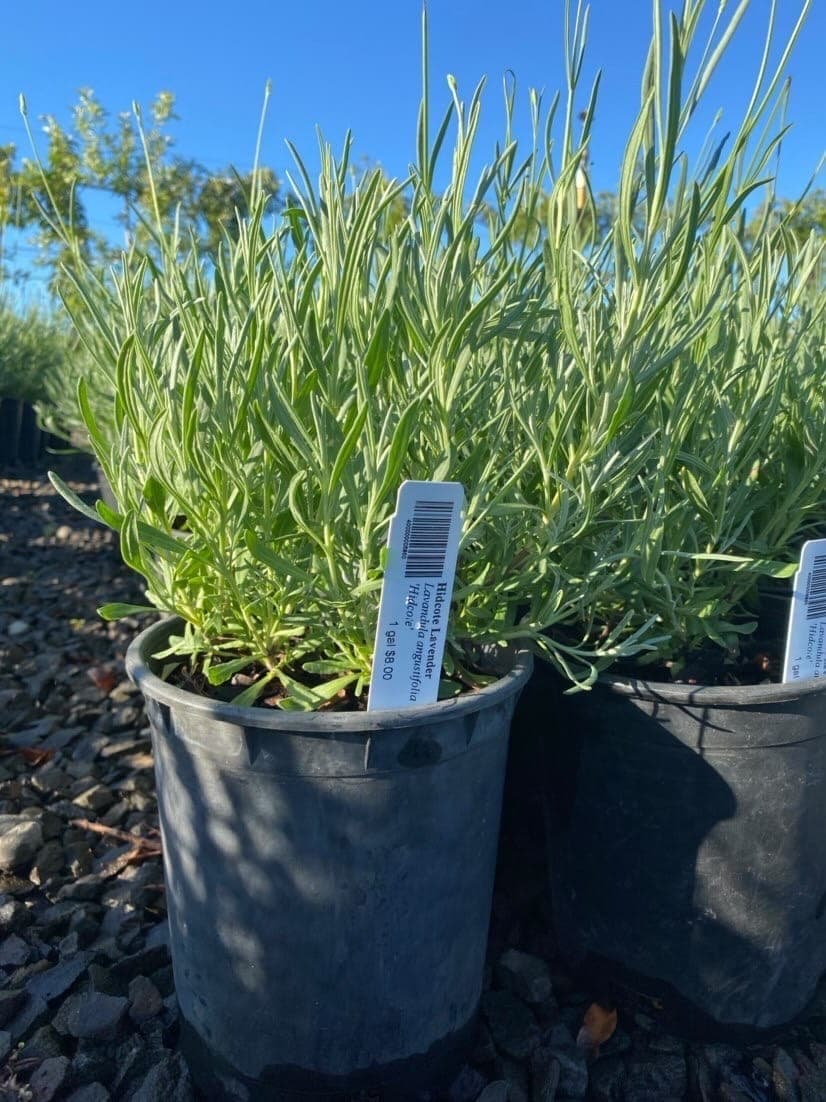
- Lavender: 'Hidcote' English Lavender and 'Grosso' French Lavender.
- 'Tuscan Blue' Rosemary. An upright, culinary rosemary that thrives in our dry summers.
Deciduous Shrubs
- Spirea: 'Gold Flame' Spirea, 'Anthony Waterer' Spirea, and the native Douglas Spirea.
- Snowberry. A tough native with white winter berries for birds.
- Dwarf Korean Lilac. Fragrant spring blooms on a compact shrub.
Deer-Resistant Grasses, Succulents & Perennials
Fibrous, sharp-edged, or spiky foliage holds little appeal for deer, which makes ornamental grasses and succulents some of the most dependable plants for deer country:
- Ornamental grasses: Karl Foerster Grass, Blue Fescue, Mexican Feather Grass, 'Morning Light' Maiden Grass, and the native Tufted Hair Grass.
- New Zealand flax: 'Sundowner', 'Platt's Black', and 'Yellow Wave'. Bold, tough, sword-shaped leaves.
- Yucca and agave: Red Yucca, Yucca 'Color Guard', and Americana Agave. Give them sharp drainage.
- Sedum: 'Angelina' Stonecrop and 'Dragon's Blood' Sedum. Succulent groundcovers for hot, dry spots.
- Bulbs: daffodils and alliums. Deer and rodents avoid them, unlike tulips.
Deer-Resistant Groundcovers & Northwest Natives
Many of the toughest deer-resistant plants are Pacific Northwest natives that evolved alongside our deer:
- Kinnikinnick. A glossy evergreen groundcover with red winter berries, ideal for slopes and sunny banks.
- Sand Strawberry (beach strawberry). A fast-spreading native mat for sun.
- Western Sword Fern. The classic Northwest fern for shade, with tough fronds deer typically ignore.
Deer Favorites: Plant These Inside the Fence (or Protect Them)
Some plants are simply deer magnets. You don't have to give them up, but plant them close to the house, inside a fenced area, or behind a cage until they're well established. WSU's list of plants frequently damaged by deer includes:
| Deer Favorite | Deer-Resistant Alternative |
|---|---|
| Roses (most hybrid teas) | Mexican Orange Blossom, California Lilac, lavender |
| Hostas | Western Sword Fern, Japanese sedges, Black Mondo Grass for shade |
| 'Emerald Green' Arborvitae | 'Green Giant' Western Red Cedar, Spartan Juniper, Italian Cypress |
| Tulips | Daffodils and alliums |
| Fruit trees (apples, plums, pears) | Plant inside a fence; use cages and trunk guards |
| Laurels, burning bush, ninebark & twig dogwoods | Waxleaf Privet, boxwood, Oregon grape, spirea |
A note on daylilies and Japanese maples: results are mixed. Some gardeners report that deer ignore them; others see the flower buds or tender leaves eaten overnight. Plant them where you can protect them, and watch how your local herd behaves.
How to Protect New Plantings (Even Deer-Resistant Ones)
Most deer damage happens in a plant's first few years, when growth is soft and low. A little protection up front saves a lot of replacement cost.
Cage young plants. A simple cylinder of welded wire or plastic deer netting around new trees and shrubs is the cheapest, most reliable protection. Remove it once the plant is big enough to shrug off a nibble, usually after two or three seasons.
Guard trunks in fall. From roughly September through November, bucks rub their antlers on young trees to shed velvet and mark territory. OSU notes that rubbing strips bark and exposes the tree's vascular tissue, which can kill a young tree outright. Wrap trunks of young trees with tree guards or surround them with a few stakes and wire through the fall rut.
Fence it right. The only surefire way to keep deer out is a fence, and it needs to be tall. OSU recommends an overall height of at least 76 inches (about 6.3 feet) where deer can get a running start. Deer also avoid jumping into spaces they can't see clearly, so a solid fence or dense hedge can work at a lower height than open wire.
Rotate repellents. Products based on putrescent egg solids, garlic, capsaicin (hot pepper), dried blood, or cinnamon oil can help, but they need to be reapplied every two weeks or so and after rain, which in Oregon means often. Deer also get used to any one deterrent, including motion-activated sprinklers, so rotate methods through the year.
Go easy on fertilizer. Lush, nitrogen-fed growth is deer candy. Feed lightly and let plants grow at their natural pace. See our Oregon fertilizing calendar for timing.
Don't feed the deer. Oregon State University advises against it. Feeding spreads disease, habituates deer to people, and draws more of them to your yard.
Quick Picks for Common Situations
"I need a privacy screen in deer country." Plant 'Green Giant' Western Red Cedar, or Spartan or Skyrocket Juniper for narrow spaces. Skip 'Emerald Green' Arborvitae.
"I want flowers the deer won't eat." Lavender, Mexican Orange Blossom, California Lilac, Pieris 'Mountain Fire', spirea, and daffodils.
"I have a dry, sunny slope." Kinnikinnick, sedum, Blue Fescue, rosemary, and yucca.
"I have shade under big trees." Western Sword Fern, Evergreen Huckleberry, Oregon grape, and Pieris.
"I want low-maintenance natives." Oregon grape, snowberry, Douglas spirea, kinnikinnick, and Tufted Hair Grass.
When to Plant
Fall is the best time to plant in western Oregon. Roots establish over the mild, wet winter, so plants hit spring stronger, and a strong, established plant is better able to recover from an occasional nibble. Our fall planting guide walks through the process, and our fall garden prep checklist covers everything else to do this season.
Find Deer-Resistant Plants at The Nursery Outlet
At The Nursery Outlet, we're a wholesale and retail nursery open to the public in Woodburn, Oregon, in the heart of the Willamette Valley. We grow and stock many of the deer-resistant trees, shrubs, grasses, and natives in this guide, and our staff can help you build a planting plan that holds up to the deer in your area.
Visit us in Woodburn, OR Tuesday–Saturday, browse the plant catalog and live availability online, or call 503-782-7700. We also offer plant delivery within 40 miles and professional installation.